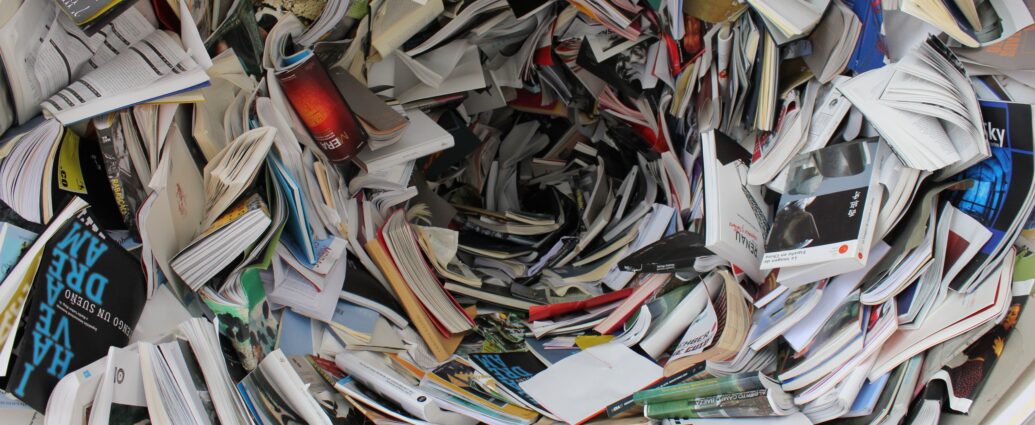
There are times when we feel that everything is perfectly organized. Documents are filed, information is divided into categories, spreadsheets are up to date, and we have tools that help us find what we need.
At least until we have to bring different pieces of information together to make a decision.
That’s when we discover that something isn’t working. The same data appears in two documents, but the values don’t match. Information we remember recording seems to have disappeared, buried in one of the many tabs we created to organize things better. Or we’ve created so many categories that even their labels no longer help us understand where to look.
The paradox is that this confusion often comes from our attempts to organize information more effectively.
We add a spreadsheet, create a new category, or copy data to make it easier to access. Each decision seems reasonable, but over time we risk building a system where information is duplicated, scattered, and sometimes contradictory.
At that point, the problem is no longer just finding what we’re looking for. It’s knowing whether we can trust what we find.
This is one of the issues I’ve wanted to address from the very beginning in the software I’m developing. I didn’t simply want to create another place to store information, perhaps a more organized one. I wanted to understand how different pieces of information could be connected without recreating the same problems.
That’s why, whenever I start a project, I spend a considerable amount of time planning.
I use mind maps to visualize ideas and connections, flowcharts to understand how activities develop, and tools that help me distinguish what’s already defined from questions that still need answers.
I also place great importance on something as simple as a legend and a few clear explanations of what information means, who is responsible for what, and how different activities relate to one another.
These may seem like minor details, but what seems obvious today might not be so clear six months from now. Even when we work alone, we may not remember all the reasons behind our decisions.
Planning, however, isn’t just about organizing what we already know.
It also means recognizing that information we don’t need today might become important tomorrow. Removing unnecessary information is different from eliminating duplication, just as keeping everything indefinitely doesn’t necessarily create a better system.
In the project I’m developing, I’m trying to find exactly this balance: meeting today’s needs without unnecessarily limiting tomorrow’s possibilities.
I don’t want to build something overly complicated just to anticipate every possible scenario. But I also don’t want to make decisions that will force me to start over whenever my needs change.
Of course, too much planning can also become a problem. We can spend so much time looking for the perfect solution that we keep postponing the moment when we actually test it.
That’s why I believe good planning should clarify what matters, acknowledge what we don’t yet know, and leave room for change.
The time spent planning is often considered time taken away from the real work. I see it as part of the work itself. It doesn’t eliminate unexpected problems, but it can help us avoid fixing tomorrow what we could have recognized today.
One question remains, though.
We may have well-organized documents, accurate information, and clearly described procedures. But can we really bring all of this together when we need to make a decision?
That’s where the thinking behind the software I’m developing begins. Not with the ambition to build a tool that can do everything, but with the need to understand which information truly matters and how it can become useful at the right moment.
Because organizing information and knowing how to use it are not necessarily the same thing.
Having everything in its place doesn’t necessarily mean having everything under control.
DL – Step 4 – Tutto sotto controllo. Almeno finché non dobbiamo decidere.
Ci sono momenti in cui abbiamo la sensazione di avere tutto perfettamente organizzato. Documenti archiviati, informazioni suddivise per argomento, tabelle aggiornate e strumenti che ci permettono di ritrovare quello che cerchiamo.
Almeno fino a quando non dobbiamo mettere insieme più informazioni per prendere una decisione.
È allora che scopriamo che qualcosa non funziona. Lo stesso dato compare in due documenti, ma con valori differenti. Un’informazione che ricordiamo di aver registrato non si trova più, nascosta in una delle tante schede create per organizzare meglio il lavoro. Oppure le categorie sono diventate così numerose che nemmeno le loro etichette ci aiutano a capire dove cercare.
Il paradosso è che spesso questa confusione nasce proprio dal tentativo di organizzare meglio le informazioni.
Aggiungiamo una tabella, creiamo una categoria, copiamo alcuni dati per averli più facilmente disponibili. Ogni scelta sembra ragionevole, ma con il tempo rischiamo di costruire un sistema nel quale le informazioni si ripetono, si disperdono e, qualche volta, si contraddicono.
A quel punto il problema non è più soltanto trovare ciò che cerchiamo, ma capire se possiamo fidarci di quello che troviamo.
È una delle questioni che ho voluto considerare fin dall’inizio nel software che sto sviluppando. Non volevo creare semplicemente un altro contenitore di informazioni, magari più ordinato, ma cercare di comprendere come collegarle senza riprodurre gli stessi problemi.
Per questo, quando inizio un progetto, dedico molto tempo alla pianificazione.
Utilizzo mappe mentali per visualizzare idee e collegamenti, diagrammi di flusso per comprendere come si sviluppano le attività e strumenti che mi aiutano a distinguere ciò che è definito dalle questioni ancora aperte.
Attribuisco molta importanza anche a una semplice legenda e a poche indicazioni che spieghino il significato delle informazioni, le responsabilità e le relazioni tra le diverse attività.
Possono sembrare dettagli secondari, ma ciò che oggi ci appare evidente potrebbe non esserlo più tra sei mesi. Anche quando lavoriamo da soli, non è detto che ricorderemo tutte le ragioni delle scelte fatte.
Pianificare, però, non significa soltanto organizzare ciò che conosciamo.
Significa anche considerare che quello che oggi non ci serve potrebbe diventare importante domani. Eliminare un’informazione inutile è diverso dall’eliminare una ridondanza, così come conservare tutto indiscriminatamente non garantisce di avere un sistema migliore.
Nel progetto che sto sviluppando sto cercando proprio questo equilibrio: rispondere alle esigenze attuali senza compromettere inutilmente quelle future.
Non voglio costruire qualcosa di complicato per prevedere ogni possibile situazione, ma nemmeno prendere decisioni che mi costringano a ricominciare quando cambieranno le necessità.
Naturalmente, anche pianificare troppo può diventare un problema. Si rischia di cercare una soluzione perfetta, rimandando continuamente il momento di metterla alla prova.
Per questo credo che una buona pianificazione debba chiarire ciò che è importante, riconoscere quello che ancora non sappiamo e lasciare spazio ai cambiamenti.
Spesso il tempo dedicato a pianificare viene considerato tempo sottratto al lavoro. Io lo considero parte del lavoro stesso. Non elimina gli imprevisti, ma può evitare di dover correggere domani problemi che avremmo potuto riconoscere oggi.
Resta però una domanda.
Possiamo avere documenti ordinati, informazioni corrette e procedure ben descritte. Ma siamo davvero in grado di utilizzare tutto questo insieme quando dobbiamo decidere?
È da qui che nasce il ragionamento alla base del software che sto sviluppando. Non dalla volontà di costruire uno strumento capace di fare tutto, ma dal bisogno di comprendere quali informazioni servano davvero e come possano diventare utili nel momento giusto.
Perché organizzare le informazioni e saperle utilizzare non sono necessariamente la stessa cosa.
Avere tutto al proprio posto non significa necessariamente avere tutto sotto controllo.