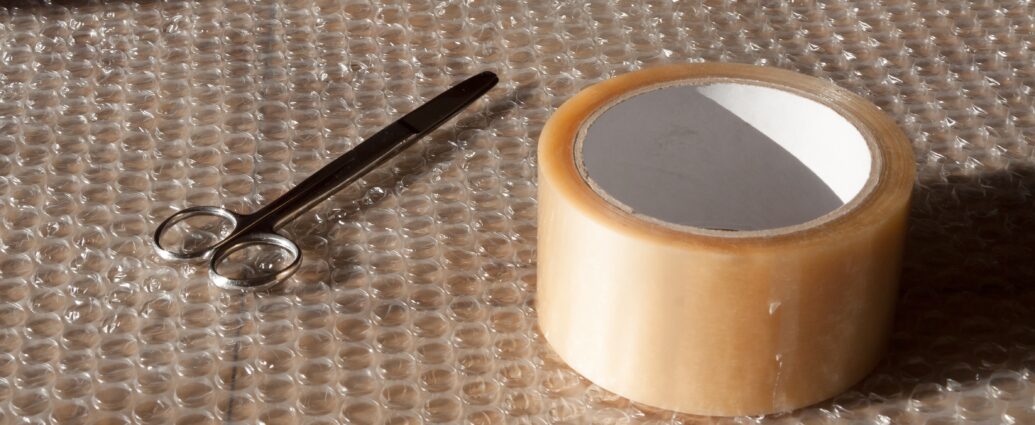
Micro-Friction & Human Behavior
Starting today, I’m sharing short, unfiltered micro-pills on the daily reality of manufacturing operations. No corporate fluff, just the small, practical floor truths that make plants actually run.
If you walk the factory floor and spot a sensor held together with duct tape, the temptation is to blame the operator.
Don’t.
When reporting a 2-minute micro-stoppage requires logging into a slow terminal and filling out 6 mandatory fields, the operator will use duct tape every time.
Not out of laziness, but out of pragmatism. They just want to keep the line moving.
When a compliance process creates more friction than the actual fix, workers will build workarounds.
Before asking your team for more discipline, fix the friction in your system.
If the reporting procedure takes longer than the repair, the procedure is the bottleneck.
IO – Step 1 – Il nastro adesivo sulla linea di produzione
Un operatore utilizza del nastro adesivo per tenere fermo un sensore sulla linea di produzione.
Una soluzione improvvisata? Certamente.
Ma quando gli chiediamo perché non abbia segnalato il problema, la risposta è semplice: fermare la linea e seguire la procedura di segnalazione richiederebbe più tempo che sistemare temporaneamente il sensore.
E allora la domanda cambia.
Il problema è l’operatore che non rispetta la procedura oppure una procedura che rende più complicato segnalare un’anomalia che aggirarla?
Non sto giustificando l’utilizzo del nastro adesivo, né suggerendo di ignorare le regole di sicurezza.
Ma se vogliamo davvero migliorare un processo, dobbiamo smettere di limitarci a correggere i comportamenti e cominciare a capire cosa li genera.
Perché quando aggirare una procedura diventa più semplice che seguirla, forse è proprio quella procedura che dovremmo rivedere.