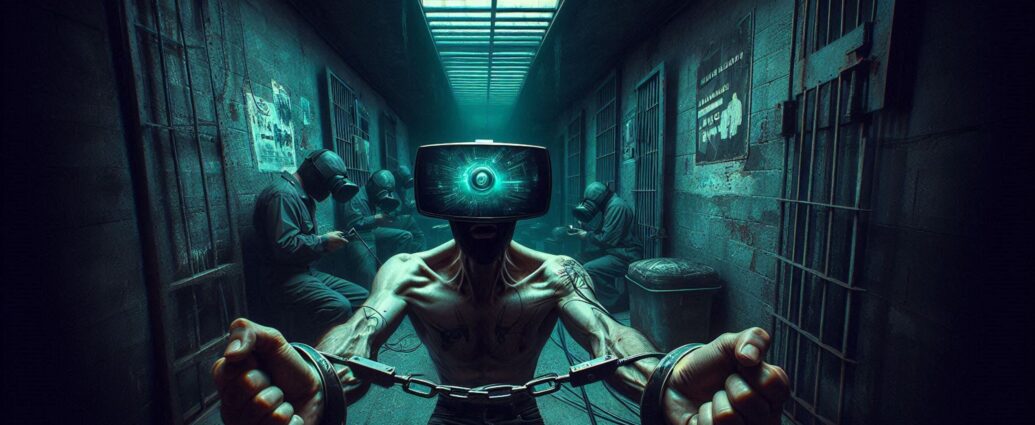
Some people, when faced with a reality they cannot accept, end up creating another one. Not because they fail to understand what is happening, but because acknowledging it would mean confronting something they fear. A mistake, a responsibility, a disappointment, or simply the realization that things are not the way they wanted them to be.
And so they begin to change the meaning of the facts. A word is interpreted differently, someone’s behavior is assigned intentions that have never been proven, certain details are remembered while others, more uncomfortable, are conveniently ignored. Little by little, a story takes shape, offering a reassuring explanation in which everything seems to make sense.
The problem is that, by repeating that story often enough, it can become a belief so deeply rooted that it is no longer recognized as a personal construction.
But the real danger begins when convincing oneself is no longer enough, and others are expected to accept that same version of reality.
Anyone who points out a contradiction becomes someone who does not understand. Anyone who asks for an explanation is accused of creating problems. Anyone who remembers events differently risks being seen as hostile or even responsible for the situation.
And so, paradoxically, the person trying to bring the discussion back to reality ends up having to defend themselves.
This is where arrogance can also emerge. That certainty of being right which prevents someone from listening, questioning, and, above all, acknowledging a mistake. Because admitting even a single contradiction might mean having to reconsider everything they have built to protect themselves.
And the more that invented reality is challenged, the stronger the need to defend it may become, even at the cost of discrediting those who refuse to share it.
Of course, no one has a perfect understanding of reality. We can all make mistakes, misinterpret a situation, or convince ourselves of something that does not match the facts. The difference lies not in never making mistakes, but in being willing to acknowledge them when evidence challenges our beliefs.
Perhaps the hardest thing to understand is that someone can be profoundly unfair without being aware that they are lying. Because when a lie becomes a belief, the person telling it may sincerely feel that they are in the right.
But sincerely believing something does not make it true, nor does it erase the consequences it may have for others.
Fear of reality is understandable. Trying to protect ourselves from what causes us pain is human. But when that protection becomes a demand imposed on others, it stops being merely a personal matter.
We may invent a truth to escape reality, but we have no right to force others to live inside it.
Così. Per dire. CJJ
P4Y – Step 75 – Quando la paura della realtà diventa una verità inventata
Ci sono persone che, davanti a una realtà che non riescono ad accettare, finiscono per costruirsene un’altra. Non perché non comprendano ciò che sta accadendo, ma perché riconoscerlo significherebbe affrontare qualcosa che fa paura. Un errore, una responsabilità, una delusione o semplicemente la consapevolezza che le cose non sono come avrebbero voluto.
E allora cominciano a modificare il significato dei fatti. Una parola viene interpretata diversamente, un comportamento assume intenzioni mai dimostrate, alcuni particolari vengono ricordati mentre altri, più scomodi, finiscono per essere ignorati. Poco alla volta nasce una storia che offre una spiegazione rassicurante, nella quale tutto sembra avere un senso.
Il problema è che, a forza di raccontarla, quella storia può trasformarsi in una convinzione così profonda da non essere più riconosciuta come una costruzione personale.
Ma il vero pericolo arriva quando non basta più convincere se stessi e si pretende che anche gli altri accettino quella versione della realtà.
Chi prova a mettere in discussione una contraddizione diventa qualcuno che non capisce. Chi chiede spiegazioni viene accusato di creare problemi. Chi ricorda fatti diversi rischia di essere considerato ostile o addirittura responsabile della situazione.
E così, paradossalmente, chi cerca di riportare la discussione alla realtà finisce per doversi difendere.
È qui che può emergere anche l’arroganza. Quella convinzione di avere ragione che impedisce di ascoltare, di dubitare e soprattutto di riconoscere un errore. Perché ammettere una sola contraddizione potrebbe significare dover rimettere in discussione tutto ciò che si è costruito per proteggersi.
E più quella realtà inventata viene contestata, più può diventare necessario difenderla, anche a costo di screditare chi non la condivide.
Naturalmente, nessuno possiede una visione perfetta delle cose. Tutti possiamo sbagliare, interpretare male una situazione o convincerci di qualcosa che non corrisponde ai fatti. La differenza non sta nel non commettere errori, ma nella disponibilità a riconoscerli quando emergono elementi che contraddicono le nostre convinzioni.
Forse l’aspetto più difficile da comprendere è che si possa arrivare a essere profondamente ingiusti senza avere la consapevolezza di mentire. Perché quando una bugia diventa una convinzione, chi la racconta può sentirsi sinceramente dalla parte della ragione.
Ma la sincerità di una convinzione non garantisce che sia vera, né cancella le conseguenze che può avere sugli altri.
La paura della realtà è comprensibile. Cercare di proteggerci da ciò che ci fa soffrire è umano. Ma quando questa protezione diventa una pretesa nei confronti degli altri, smette di essere soltanto una questione personale.
Possiamo inventarci una verità per sfuggire alla realtà, ma non abbiamo il diritto di obbligare gli altri a viverci dentro.
Così. Per dire. CJJ