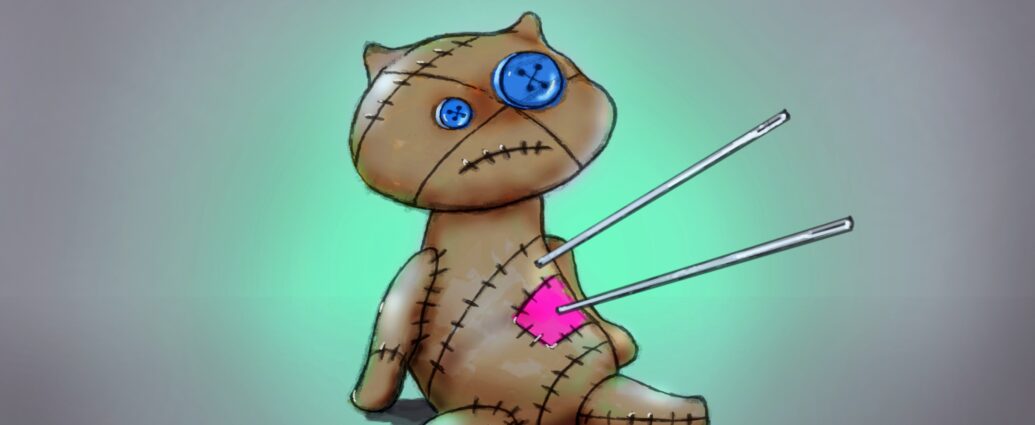
There are words that, when spoken at different moments in life, can take on profoundly different meanings. They can embody the strength of someone who decides to rise again after defeat, the courage of someone determined to prove their worth to a world that does not understand them, does not see them, or has never given them the recognition they deserve. They can represent the desire for redemption, the determination not to give up, the will to turn disappointment into something better. Yet those same words can conceal very different feelings, becoming expressions of resentment, the need to retaliate, or the desire to make someone pay for pain we believe we have suffered, whether rightly or wrongly.
It is remarkable how a single word can open such distant perspectives, revealing both the most courageous side of human nature and, at the same time, its darkest side. Ultimately, what changes is not merely its meaning, but what lies within us when we speak it: our intentions, our conscience, and above all, our ability to recognize the role we have played in the events that shape our lives.
And yet, there is a contradiction I find particularly difficult to understand. It is the contradiction of someone who, after hurting another person, develops the desire to hurt them again, while convincing themselves that they are the one who has been wronged. Someone who, after causing suffering, almost expects compensation from the very person who endured it. As though causing harm were not enough, and it were necessary to add humiliation, guilt, and the burden of responsibility for something that person never chose and has already had to endure.
I wonder what path the human conscience must follow to reach such a reversal. How can someone transform the discomfort caused by the consequences of their own actions into the conviction that they have suffered an injustice? How can the distance of someone who has lost trust, the silence of someone who can no longer find a reason to explain themselves, or simply the decision to stop accepting what has been tolerated for too long, come to be perceived as a personal offense?
Perhaps the problem begins with our difficulty in accepting that our actions have consequences, even when we are unwilling to face them. It is easier to feel abandoned than to ask why someone walked away. It is easier to accuse someone of ingratitude than to question what we have truly given. It is less painful to believe we have been treated unfairly than to admit that we may have contributed to destroying something that once mattered.
I do not believe human beings can easily be divided into the innocent and the guilty. Relationships are complex, responsibilities can be shared, and even those who have caused suffering can experience genuine pain themselves. But this complexity should never become an excuse to erase how events began. Feeling hurt by the consequences of our own choices does not necessarily mean we have been wronged. And it certainly should not give us the right to inflict further pain on someone who has already paid the price.
There is something deeply disturbing about the idea of deliberately making someone feel guilty when we are the ones who have already hurt them. Guilt, when it arises from within our conscience, can help us recognize our mistakes and become better people. But when it is intentionally imposed on others, especially those who have already suffered because of us, it loses any constructive human meaning and becomes yet another way of exercising power over an existing wound.
A simple yet absurd image comes to mind: someone runs another person over and, instead of worrying about their condition, demands an apology from the injured person for getting hurt. A paradox so obvious that it might almost seem grotesque, were it not for the fact that similar dynamics can become painfully real in human relationships. People demand understanding without having offered it, gratitude without having earned it, and respect without having shown any themselves. They expect to receive what they have been unable to give, and they consider it an offense when the other person finally stops providing it.
And yet, I deeply believe that behind every experience in our lives there is a divine plan, even when we cannot understand it. Not necessarily a punishment or a reward, but a meaning that time may eventually help us recognize. Some situations seem confusing today, certain behaviors appear inexplicable, and some injustices leave us searching for answers. Perhaps some answers will come, while others will remain unresolved. But not everything we fail to understand today is destined to remain meaningless forever.
There is an old Italian saying: “Those who are born round die round, and those who are born square die square.” Not because people are incapable of changing, but because genuine change requires something far more demanding than words: the willingness to recognize ourselves, our contradictions, and the consequences of our actions. And not everyone is willing to do so. We can change circumstances, rewrite stories, and even reshape how we present the past, but it is difficult to conceal indefinitely who we continue to be through our everyday behavior.
Perhaps, then, there comes a time when it no longer matters which side someone chooses to view a situation from, or how many versions of the story they may construct. What matters is feeling, deep within our hearts, ready to distance ourselves from what we no longer wish to welcome into our lives. From ambiguities that erode trust, contradictions that make honest dialogue impossible, people who consider it natural to take for themselves while depriving others, and those who measure every relationship solely by what they can gain, forgetting everything others have given.
Walking away from certain people does not necessarily mean hating them, judging them forever, or wishing them harm. Sometimes it simply means understanding that not everything deserves another chance, and that peace of mind occasionally requires the courage to stop searching for explanations that may never come.
There are things that time can make less painful but can never erase. Not because we wish to nurture resentment, but because memory is part of our identity. We cannot ask someone to pretend that certain events never happened simply because remembering them has become uncomfortable. We cannot expect a wound to disappear merely because the person who caused it wishes it would, nor can we confuse forgiveness with an obligation to restore what has been damaged.
Human beings do not work that way. We can understand, we can forgive, and we can even find the strength to look peacefully upon experiences that once caused us suffering. But no one can be required to erase their own experience simply to make someone else’s conscience more comfortable.
Perhaps true maturity lies in understanding that we do not need to convince everyone of our truth, nor do we need to witness the moment when someone finally acknowledges their responsibilities. We can allow time to take its course, holding on to the belief that even what seems incomprehensible today may eventually find its place within a greater plan.
Without waiting for someone to pay. Without wishing them suffering. Without needing to have the last word.
Because our peace should not depend on someone else’s remorse, just as our dignity should not depend on their ability to recognize it.
And if there truly is a divine plan behind what we experience, perhaps part of that plan is precisely to teach us how to distinguish those who deserve to continue walking beside us from those who, through their own choices, have taught us the importance of knowing when to move forward alone.
Not to punish someone with our absence, but to stop punishing ourselves with our presence.
Just saying. CJJ
P4Y – Step 72 – Il paradosso della coscienza
Ci sono parole che, pronunciate in momenti diversi della vita, possono assumere significati profondamente differenti. Possono racchiudere la forza di chi decide di rialzarsi dopo una sconfitta, il coraggio di chi vuole dimostrare il proprio valore a un mondo che non lo comprende, che non lo vede o che non gli ha mai riconosciuto ciò che meritava. Possono rappresentare il desiderio di riscatto, la determinazione a non arrendersi, la volontà di trasformare una delusione in qualcosa di migliore. Ma le stesse parole possono nascondere sentimenti molto diversi, diventare espressione di rancore, del bisogno di restituire un’offesa, di far pagare a qualcuno un dolore che riteniamo di aver subito, a torto o a ragione.
È sorprendente come una sola parola possa aprire prospettive tanto lontane, raccontare la parte più coraggiosa dell’essere umano e, contemporaneamente, quella più oscura. In fondo, ciò che cambia non è soltanto il suo significato, ma ciò che abbiamo dentro quando la pronunciamo. Le nostre intenzioni, la nostra coscienza e soprattutto la capacità di riconoscere il ruolo che abbiamo avuto nelle vicende che ci riguardano.
Eppure esiste una contraddizione che trovo particolarmente difficile da comprendere. Quella di chi, dopo aver ferito qualcuno, arriva a desiderare di ferirlo ancora, convincendosi di essere la parte offesa. Di chi, dopo aver provocato una sofferenza, pretende quasi di ottenere una compensazione proprio da chi quella sofferenza l’ha vissuta. Come se non bastasse aver causato un danno, ma fosse necessario aggiungervi anche il peso dell’umiliazione, del senso di colpa, della responsabilità di qualcosa che non si è scelto e che si è già dovuto sopportare.
Mi domando quale percorso possa compiere la coscienza umana per arrivare a un simile capovolgimento. Come si possa trasformare il disagio per le conseguenze delle proprie azioni nella convinzione di aver subito un’ingiustizia. Come si possa arrivare a considerare un’offesa la distanza di chi ha perso fiducia, il silenzio di chi non trova più ragioni per spiegarsi, o semplicemente la decisione di non continuare ad accettare ciò che per troppo tempo è stato tollerato.
Forse il problema nasce dalla difficoltà di riconoscere che le nostre azioni hanno conseguenze anche quando non siamo disposti ad accettarle. È più semplice sentirsi abbandonati che domandarsi perché qualcuno si sia allontanato. È più facile accusare di ingratitudine che interrogarsi su ciò che abbiamo realmente dato. È meno doloroso convincersi di essere stati trattati ingiustamente che ammettere di aver contribuito a distruggere qualcosa che un tempo aveva valore.
Non credo che l’essere umano possa essere diviso con facilità tra innocenti e colpevoli. Le relazioni sono complesse, le responsabilità possono essere condivise e persino chi ha causato una sofferenza può provarne una autentica. Ma questa complessità non dovrebbe diventare un alibi per cancellare l’origine degli avvenimenti. Sentirsi feriti dalle conseguenze delle proprie scelte non significa necessariamente aver subito un torto. E soprattutto non dovrebbe attribuirci il diritto di infliggere altro dolore a chi ne ha già pagato il prezzo.
C’è qualcosa di profondamente inquietante nell’idea di voler far sentire in colpa una persona alla quale abbiamo già fatto del male. Perché il senso di colpa, quando nasce dalla coscienza, può aiutarci a riconoscere un errore e a diventare migliori. Ma quando viene cercato deliberatamente negli altri, soprattutto in chi ha già sofferto per causa nostra, perde qualsiasi valore umano e diventa soltanto un altro modo di esercitare potere su una ferita.
E mi torna in mente un’immagine tanto semplice quanto assurda: quella di qualcuno che investe una persona e, anziché preoccuparsi delle sue condizioni, pretende che sia proprio lei a chiedergli scusa per essersi fatta male. Un paradosso che nella sua evidenza potrebbe persino sembrare grottesco, se non fosse che, nei rapporti umani, dinamiche simili possono diventare terribilmente reali. Si pretende comprensione senza averla offerta, riconoscenza senza averla meritata, rispetto senza essersi preoccupati di rispettare. Si vuole ricevere ciò che non si è stati capaci di dare, e si considera un’offesa il momento in cui l’altro smette di concederlo.
Eppure credo profondamente che dietro ogni vicenda della nostra esistenza ci sia un disegno divino, anche quando non siamo in grado di comprenderlo. Non necessariamente una punizione o una ricompensa, ma un significato che il tempo, prima o poi, può aiutarci a riconoscere. Ci sono situazioni che oggi appaiono confuse, comportamenti che sembrano inspiegabili, ingiustizie alle quali non riusciamo a dare una ragione. Forse alcune risposte arriveranno, forse altre rimarranno sospese. Ma non tutto ciò che non comprendiamo oggi è destinato a rimanere privo di significato.
In fondo, esiste una saggezza antica nel dire che chi nasce tondo muore tondo e chi nasce quadrato muore quadrato. Non perché le persone siano incapaci di cambiare, ma perché il cambiamento autentico richiede qualcosa di molto più impegnativo delle parole: richiede la volontà di riconoscere se stessi, le proprie contraddizioni e le conseguenze delle proprie azioni. E non tutti sono disposti a farlo. Possiamo cambiare le circostanze, i racconti, persino il modo in cui presentiamo il passato, ma difficilmente possiamo nascondere per sempre ciò che continuiamo a essere nei comportamenti di ogni giorno.
Forse, allora, arriva un momento in cui non importa più da quale lato qualcuno scelga di osservare una vicenda, né quante versioni possa costruirne. Ciò che conta è sentirsi, nel profondo del proprio cuore, pronti a prendere le distanze da ciò che non vogliamo più accogliere nella nostra vita. Dalle ambiguità che consumano la fiducia, dalle contraddizioni che rendono impossibile un confronto sincero, da chi considera naturale prendere per sé e togliere agli altri, da chi misura ogni rapporto soltanto attraverso ciò che può ottenere e dimentica ciò che gli altri hanno dato.
Allontanarsi da certe persone non significa necessariamente odiarle, giudicarle per sempre o augurare loro del male. Può significare semplicemente aver compreso che non tutto merita un’altra possibilità e che la serenità, qualche volta, richiede il coraggio di rinunciare a cercare spiegazioni che non arriveranno mai.
Ci sono cose che il tempo può rendere meno dolorose, ma che non potrà cancellare. Non perché si voglia coltivare il rancore, ma perché la memoria appartiene alla nostra identità. Non si può chiedere a qualcuno di fingere che determinati avvenimenti non siano mai accaduti soltanto perché ricordarli è diventato scomodo. Non si può pretendere che una ferita scompaia per il semplice desiderio di chi l’ha provocata, né confondere il perdono con l’obbligo di ripristinare ciò che è stato compromesso.
L’essere umano non funziona così. Può comprendere, può perdonare, può persino trovare la forza di guardare con serenità a ciò che un tempo lo faceva soffrire. Ma non può essere obbligato a cancellare la propria esperienza per rendere più sopportabile la coscienza di qualcun altro.
E forse la vera maturità sta proprio nel comprendere che non abbiamo bisogno di convincere tutti della nostra verità, né di assistere al momento in cui qualcuno riconoscerà finalmente le proprie responsabilità. Possiamo lasciare che il tempo faccia il suo corso, conservando la fiducia che anche ciò che oggi appare incomprensibile possa un giorno trovare il proprio posto in un disegno più grande.
Senza aspettare che qualcuno paghi. Senza desiderare che soffra. Senza pretendere di avere l’ultima parola.
Perché la nostra serenità non dovrebbe dipendere dal rimorso degli altri, così come la nostra dignità non dovrebbe dipendere dalla loro capacità di riconoscerla.
E se davvero esiste un disegno divino dietro ciò che viviamo, forse una parte di quel disegno consiste proprio nell’insegnarci a distinguere chi merita di continuare a camminare accanto a noi da chi, attraverso le proprie scelte, ci ha insegnato quanto sia importante saper proseguire da soli.
Non per punire qualcuno con la nostra assenza, ma per non continuare a punire noi stessi con la nostra presenza.
Così. Per dire. CJJ